
Transition to Adulthood
Explore resources that will help you support your teen or young adult to look ahead towards adulthood, secondary education, employment, and independent living. Don’t forget to explore our Resource Hub pages with even more information, especially the Just For Youth section. We also host an annual Pathways to Adulthood Conference in January of every year.
Use the section links below to jump to the area you want to explore:

Gear Up for High School and Graduation
-
![Oregon Department of Education]()
Oregon Diploma and High School Completion Options
Oregon offers several graduation and completion options. Students who receive an Oregon (regular) diploma or the Modified Oregon Diploma are considered high school graduates.
The Oregon Extended Diploma and Certificate of Attendance are additional completion options. These may limit a student’s post-secondary opportunities. -
![Oregon Department of Education]()
Graduation and Completion Requirements
Learn about what is needed to graduate with an Oregon Diploma, Modified Diploma, Extended Diploma, or Certificate of Attendance.
Knowing your child’s options can help direct conversations about the best pathway for them. -
![]()
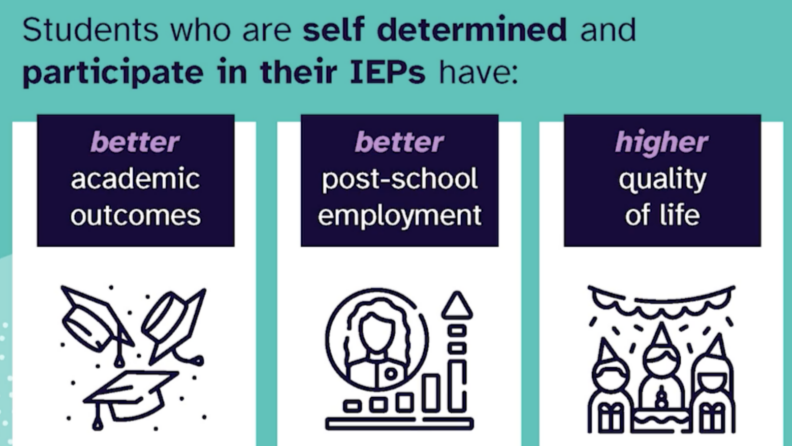
I'm Determined: Participate in Your IEP
Check out this Student Rubric from I’m Determined as well as a video series to help you be more involved in decisions that impact your life!
-
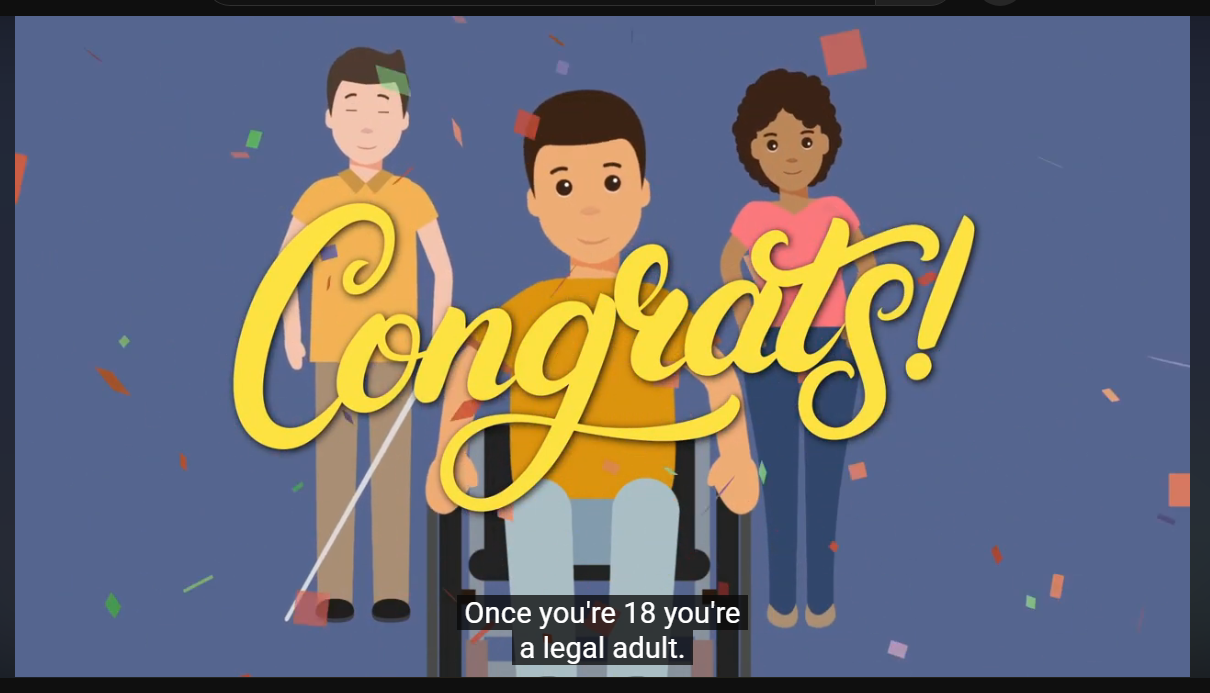
![A graphic shows three young people with disabilities and the word congrats superimposed]()
Think About Life After High School
Whether you're thinking about college, a career, independent living, or just wondering what adulting even looks like for YOU — there are people and programs out there ready to help.
Learn about your options now so you're ready to take on the world when you turn 18!
-
![Oregon Department of Education]()
Transition Services and IDEA
The Individuals with Disabilities Education Act (IDEA) requires districts to consider the transition needs of students on IEPs, from the year in which they turn 16 on. Learn what to expect.

Explore College and Post-Secondary Education
-
![Think College. Changing expectatios. Increasing opportunities.]()
Think College
Think College helps students with intellectual disability know their options. Their one-of-a-kind directory features information on 379 postsecondary education programs across the U.S.
-
![BestColleges]()
College Guide for Students with Disabilities
Discover how students with disabilities can succeed in college.
This guide explains key rights, laws, and resources that support accessibility in higher education. -
![Study.com]()
College & Career Guide for Students with Disabilities
This guide from Study.com is intended to help students with disabilities learn about their rights, the laws that protect them, and the resources available to help them see through their goal of obtaining higher education.
-
![Graphic from College Consensus with text saying that 11% of U.S. undergraduates tell a school they have a disability]()
The Complete Guide to College for Students with Disabilities
Yes, students with disabilities can go to college and even make it to the top of their class.
-
![Oregon Student Aid]()
Financial Aid: Oregon Student Aid
Financial aid can help you afford your education after high school
Learn about and apply for grants and scholarships, get help completing financial aid applications, and learn about preparing for college, training, and careers.
-
![College student in a wheelchair doing work at their laptop]()
Online Colleges for Students with Learning Disabilities
Many online colleges offer programs tailored to meet the needs of students with learning disabilities. Learn about some of the most affordable.



Get Ready to Work
-
![Oregon Council on Developmental Disabilities]()
Planning My Way to Work
OCDD publishes a guide for students with intellectual and developmental disabilities focused on the transition from high school and/or transition programs to “integrated competitive employment.”
-
![Before Age 18]()
Employment: Anyone Can Work
Everyone has talents. Explore your talents, interests, and abilities. Then think about what kind of job might be good for you!
Anyone can work - even if you have a disability.
-
![Oregon Transition Education]()
Oregon Transition Education
In-depth Information for educators and families about all aspects of transition, from diploma options to employment and independent living.
-
![Before Age 18]()
Before Age 18: Family Training Series
Family members can play a key role in setting expectations and providing opportunities for their young adult with a disability to work.
This training gives tools and strategies for employment planning and how to identify opportunities for young adults.
-
![Oregon Department of Human Services VR]()
Vocational Rehabilitation Services (VR)
If you haven’t already, apply for Department of Vocational Rehabilitation services for employment support
-
![Work Incentives Network]()
Work Incentives Network (WIN)
WIN is a FREE benefits counseling service for any Oregonian with a disability who is working or wants to work.
WIN can help you understand how work will affect benefits like SSI, Medicaid, SNAP, and housing assistance.
-
![Oregon DHS: I work, we succeed campaign image for Employment First]()
Employment First
In Oregon, people with intellectual and developmental disabilities (I/DD) earn competitive wages and benefits alongside coworkers without disabilities.
This means that people have more opportunities to reach their potential and fully participate in their community. -
![]()
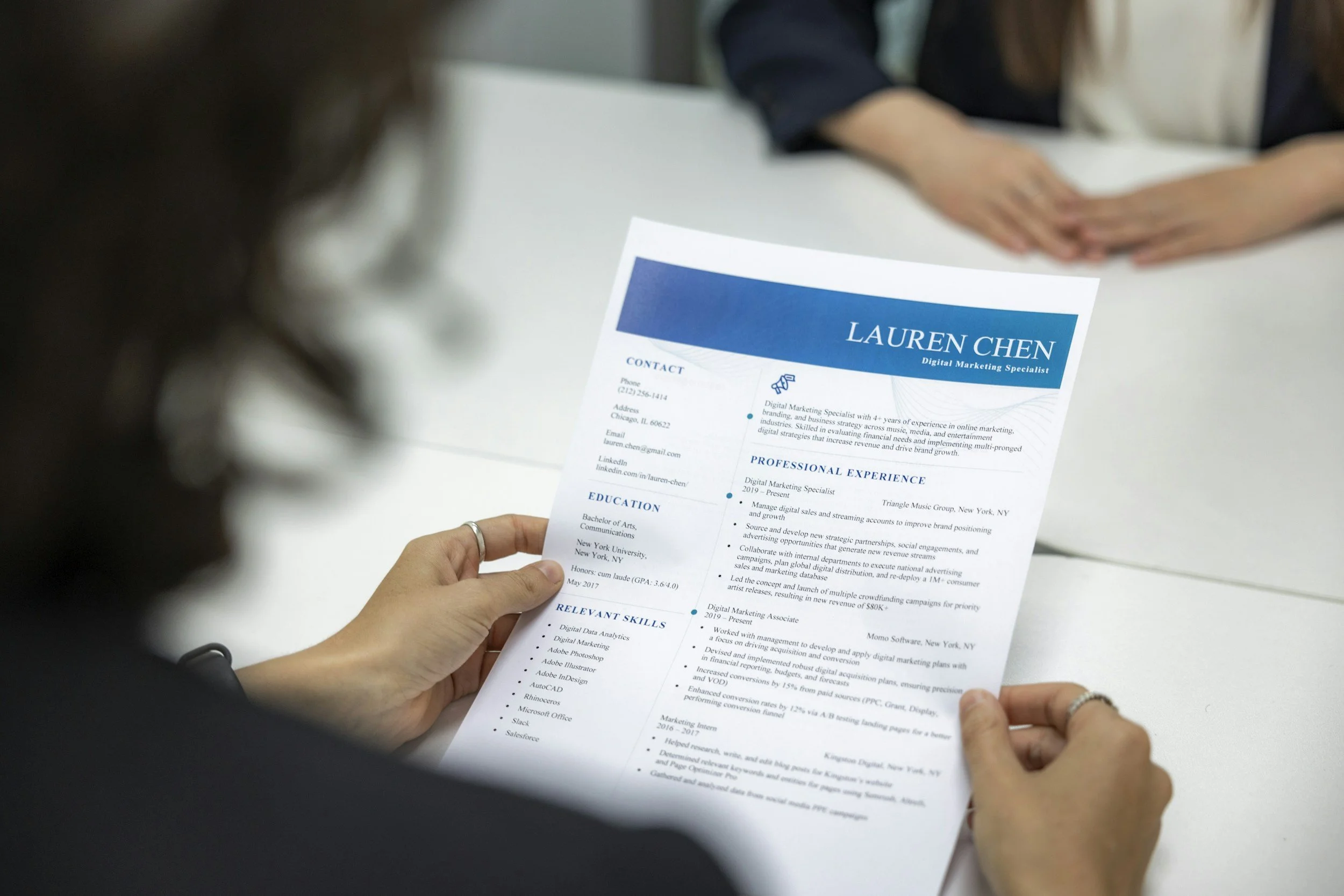
Resume and Employment Guide for People With Disabilities
Get tips to build your resume, as well as learn about anti-discrimination laws and other topics for disabled workers.
-
![A road winds through fall foliage]()
Supported Employment (I/DD)
Learn about employment services that support individuals with I/DD to find and keep jobs in their communities.
The Road Map to Work is a personal planning tool you can use to plan your road to employment and understand the available services and supports. -
![Workability]()
Workability
Workability connects people seeking jobs who are neurodiverse and disabled with employers.
-
![Disability Belongs™]()
Job Seeking Success Tips for People with Disabilities
The journey to employment looks different for everyone. With the right tools and strategies, you can navigate it with confidence.
-
![Social Security Administration: Securing Today and Tomorrow]()
Work Incentives & Social Security
Work incentives are special rules that enable people receiving Social Security Disability Income (SSDI) or Supplemental Security Income (SSI) to work AND receive monthly payments and Medicare or Medicaid.




Supported Decision Making and Alternatives to Guardianship
-
![National Resource Center for Supported Decision-Making]()
The Right to Make Choices
The National Resource Center for Supported Decision-Making’s mission is to help people with disabilities lead amazing lives through supported decision making.
Their robust resources include tools such as sample SDM agreements and guides to help you create a plan. -
![The Arc Oregon]()
What is Supported Decision Making (SDM)?
Supported decision making (SDM) is a tool that allows people with disabilities to retain their decision making capacity by choosing supporters to help them make choices.
Learn about SDM, rights for people with disabilities, and the role of supporters. -
![]()
Guardianship Options
Everyone should be able to live with as much self-determination and independence as possible. Guardianship should be limited to meet the actual needs of someone with a disability. Learn about the options available to people with disabilities and their families.
-
![High school students and a teacher meet at a picnic table outside a high school building]()
Schools & Supported Decision Making
Did you know that ALL Oregon districts MUST share information about SDM with transition-aged youth and their families?
Oregon Transition Education supports educators, families, and youth with resources about SDM.



Financial Empowerment: Make Your Money Work for You
-
![Oregon ABLE Savings Plan]()
Oregon ABLE Savings Plan
The national ABLE Act was signed into law in 2014, providing a way for people with disabilities to save without losing government benefits.
Oregon ABLE Savings Plan helps people with disabilities and their families save for goals, invest for the future tax free, keep public benefits like SSI, and even get a state tax credit for contributions. -
![DFR and Bank On]()
Bank On: Free or Low-Cost Banking
Get a safe, affordable, and convenient checking or savings account. Many Oregon banks and credit unions offer Bank On certified accounts that help you keep your money safe and are easy to use. Accounts are either free or very low cost.
-
![Pennsylvania Assistive Technology Foundation]()
How To Talk About Money with Youth with Disabilities
The Pennsylvania Assistive Technology Foundation’s Family Companion to Cents & Sensibility: A Guide to Money Management helps families talk about money with children and youth with disabilities. Explore “Teachable Moments” and “Conversation Starters” that families can incorporate into everyday life.
-
![Image of a piggy bank and stack of coins]()
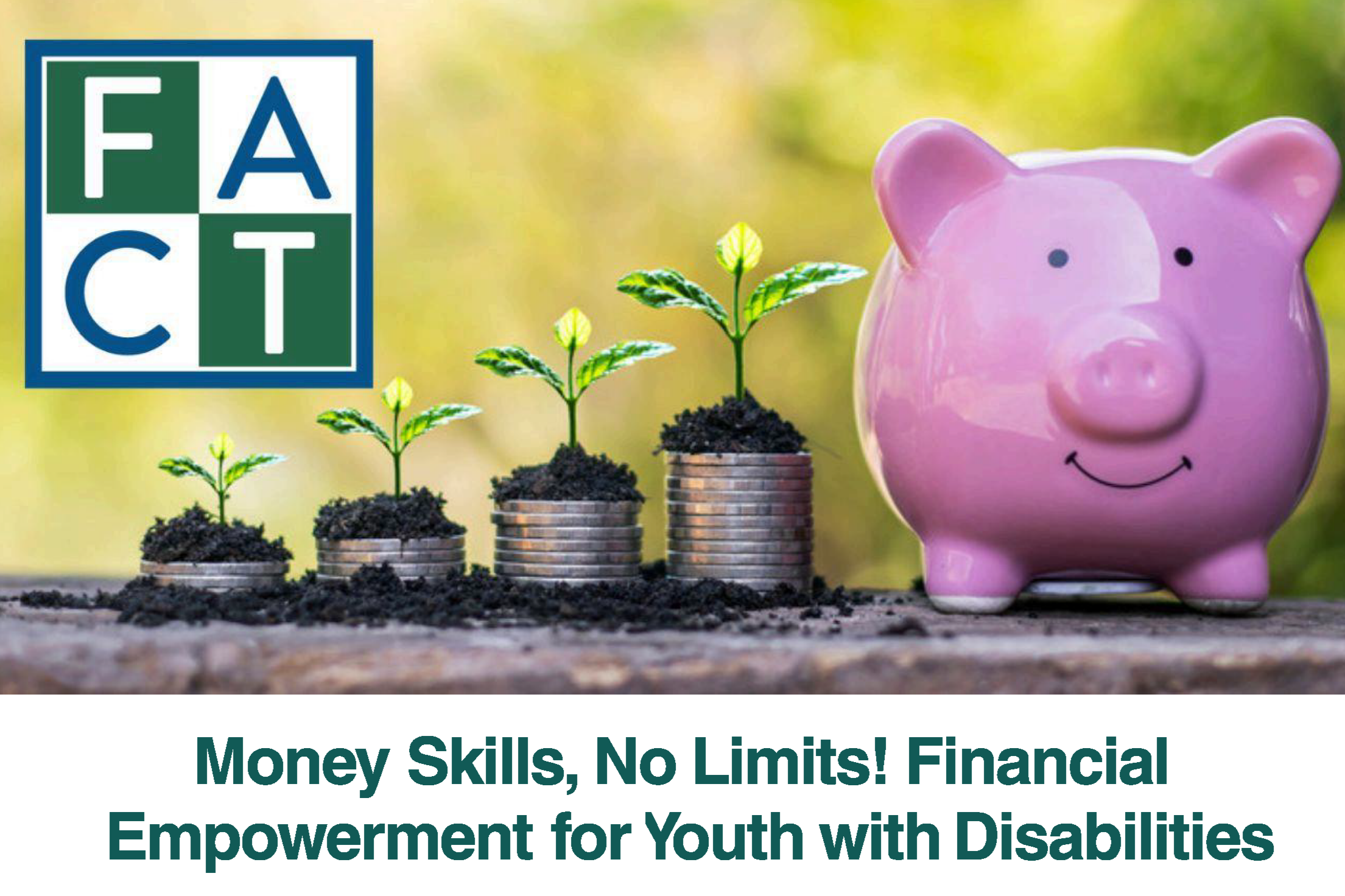
Money Skills, No Limits
FACT Oregon’s 6-session virtual training series helps young people with disabilities, along with their families, learn how to manage and make smart choices about money.
-
![Screenshot of the StudyMoney homepage]()
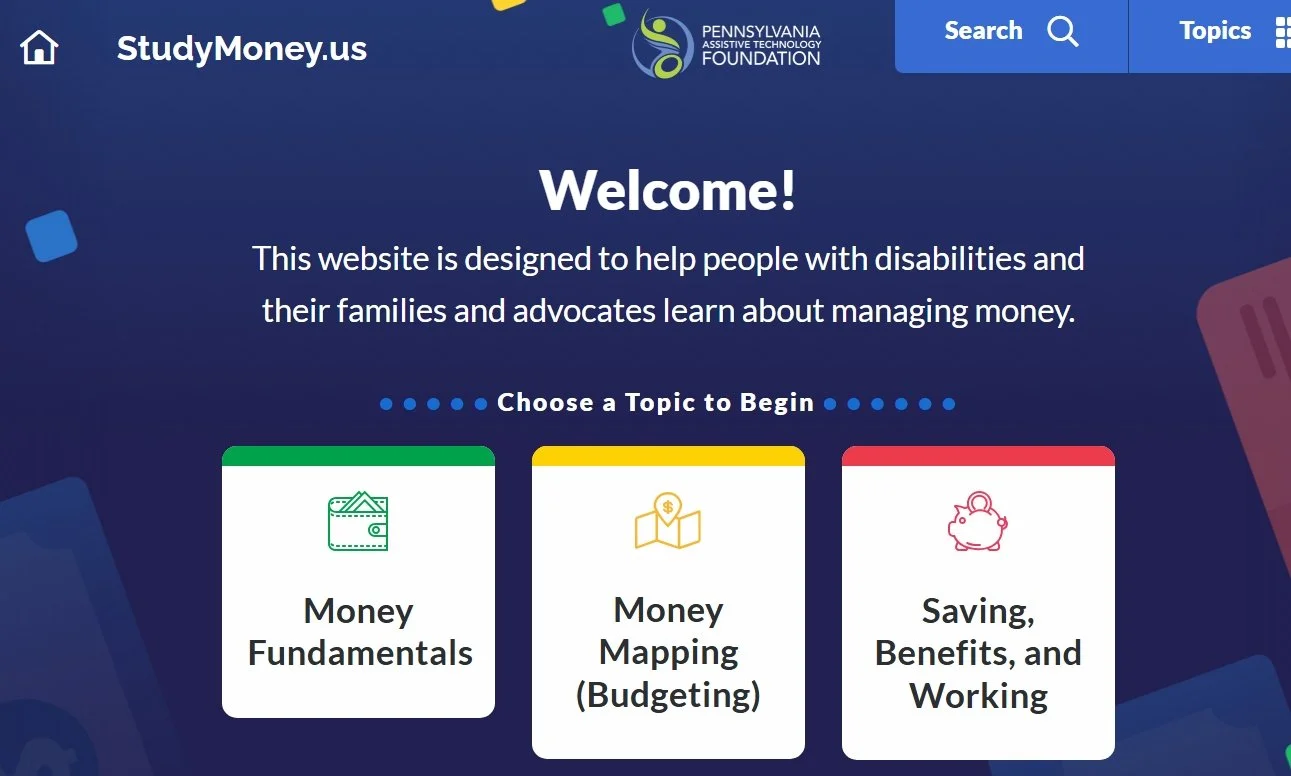
Study Money
The interactive StudyMoney.us website is designed to help people with disabilities and their families and advocates learn about managing money. They have online modules to support self-paced learning for many money management topics.
-
![Oregon Special Needs Trust]()
Oregon Special Needs Trust
The Oregon Special Needs Trust (OSNT) is a pooled trust established to offer families a dependable, affordable way to provide financial security and an enhanced quality of life for their loved ones, while preserving the benefits that they depend on in their daily lives. Since its inception in 1999, the OSNT program has also become an effective means of safeguarding money for individuals whose own resources threaten their ongoing eligibility for public benefits.
-
![Academy of Special Needs Planners]()
Special Needs Planners
The Academy of Special Needs Planners manages a website, Special Needs Answers, to help you find financial planners in your area with expertise in special needs planning.
-
![Oregon Division of Financial Regulation]()
Your New Job: Starting Your Financial Future
This DFR publication helps you make important decisions and know steps you need to take as you start a new job.

Take Charge of Your Healthcare
-
![Center for Transition to Adult Health Care for Youth with Disabilities]()
Moving to Adult Health Care: A 6-Part Toolkit Series for Health Care Transition
These toolkits were developed by LifeCourse Nexus and the Center for Transition to Adulth Health Care for Youth with Disabiliites. They help you learn and get ready to move to adult health care and live a healthy adult life.
-
![OHSU UCEDD]()
Lifespan Transition Clinic @ OHSU UCEDD
The UCEDD helps support the Lifespan Transition Clinic at the Institute on Development & Disability. This clinic is designed for transition-aged youth age 14-24. We work with patients who experience many different disabilities and mental health conditions.
-
![Center for Transition to Adult Health Care for Youth with Disabilities]()
The Center for Transition to Adult Health Care for Youth with Disabilities
This national health care transition resource center empowers youth and young adults with intellectual and developmental disabilities (ID/DD) ages 12-26 to direct their own transition from pediatric to adult care with no reduction in quality of care and no gaps in service.
-
![OHSU UCEDD]()
Sexual Health Resource Hub @ OHSU UCEDD
OHSU UCEDD offers holistic sexual health education for everyone, including people with intellectual and developmental disabilities (I/DD). When we provide young people with holistic sexual health education, we support their relationship, sexual, and reproductive rights.
-
![Got Transition]()
Got Transition
Got Transition aims to help youth and young adults move from pediatric to adult health care.